Perspective ·
Human-wildlife conflict and coexistence, and the missing technology
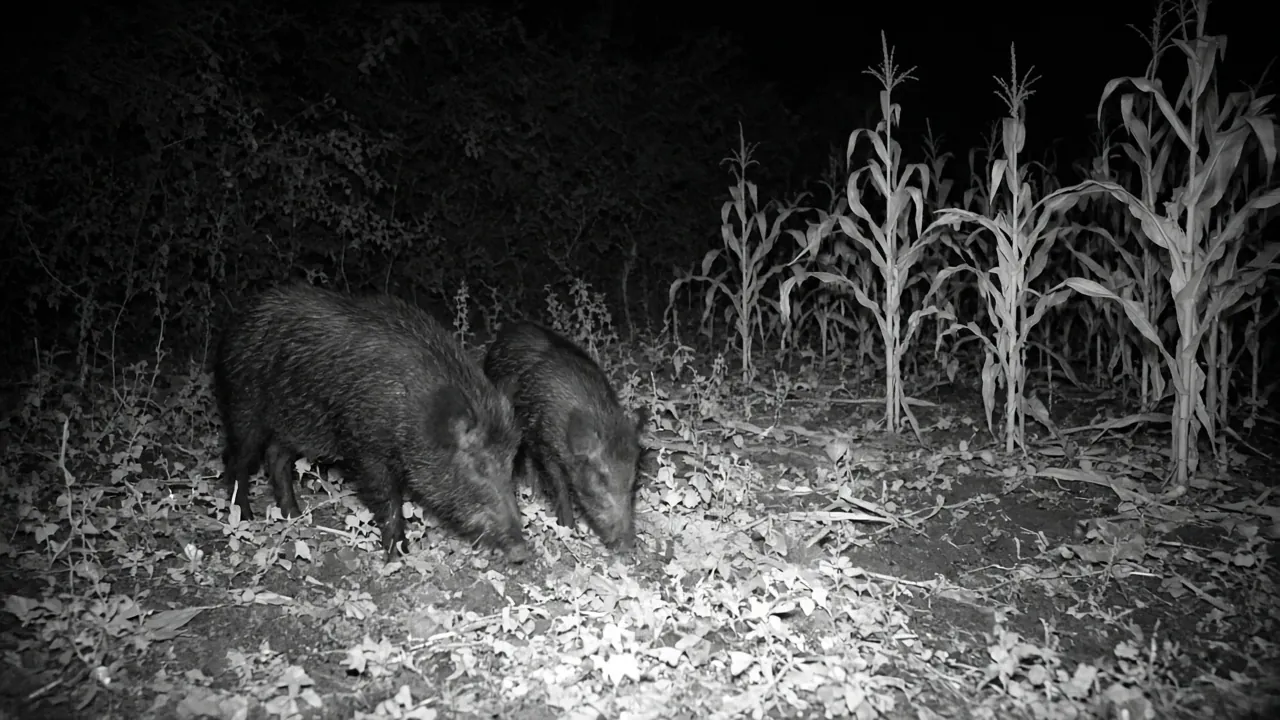
Wild boar in a vineyard, otters at a fish farm. Wherever people and wild animals share land there is friction, and there is the work of living with it. The field has a name, and since 2023 it has a set of IUCN guidelines. What it doesn't have much of yet is technology built for it.
A field with a name
In 2023 the IUCN Species Survival Commission published its first guidelines on human-wildlife conflict and coexistence. They are deliberately broad. They aren't tied to one species or one region, and they're written for the people who deal with it day to day, from conservation staff to government officers. The two words are paired on purpose. Conflict is the hard edge, with crops eaten and real losses. Coexistence is the goal, land that people and wildlife can share. Both need the same thing before anyone can decide what to do, which is knowing what's actually happening on the ground.
The missing piece
Read the guidelines and you notice they are about approaches and decisions, such as how to assess a conflict and who to involve. What's thin is the applied technology underneath. That's the part that tells you which animal was there and how often, at a scale a person can act on. Camera traps have been around for years and produce plenty of raw material. Turning it into a record you can compare across seasons, or share with a province, is still mostly manual work on a pile of SD cards.
Where we fit, and where we don't
That gap is why Untamed Data exists. Software can't resolve a conflict, and we don't pretend it can. What we build is the data layer under it. Camera footage becomes recognised species and a record you own, hosted on servers in the Netherlands (EU). For a vineyard that's evidence of wild-boar pressure. For a fish farm it's an otter on camera. In the HERDER project we're working on recognising animals in hard field conditions. That is R&D and not a finished product, and we'll keep saying so until it's measured.
Honestly, the technology for this field is early. The frameworks exist, and the tools that feed them reliable data mostly don't. We think they should, and we're building our part.
If human-wildlife conflict is part of your work, whether at a reserve or on a farm, we'd like to hear how you handle the data side. Get in touch.
