Perspective ·
Restoration plans are due. Where camera-trap data fits
By 1 September 2026, every EU member state has to send the European Commission a draft national restoration plan. Those plans rest on evidence about what is on the ground now and whether it is recovering. For the authorities writing them, that raises a practical question. Where does the monitoring data come from?
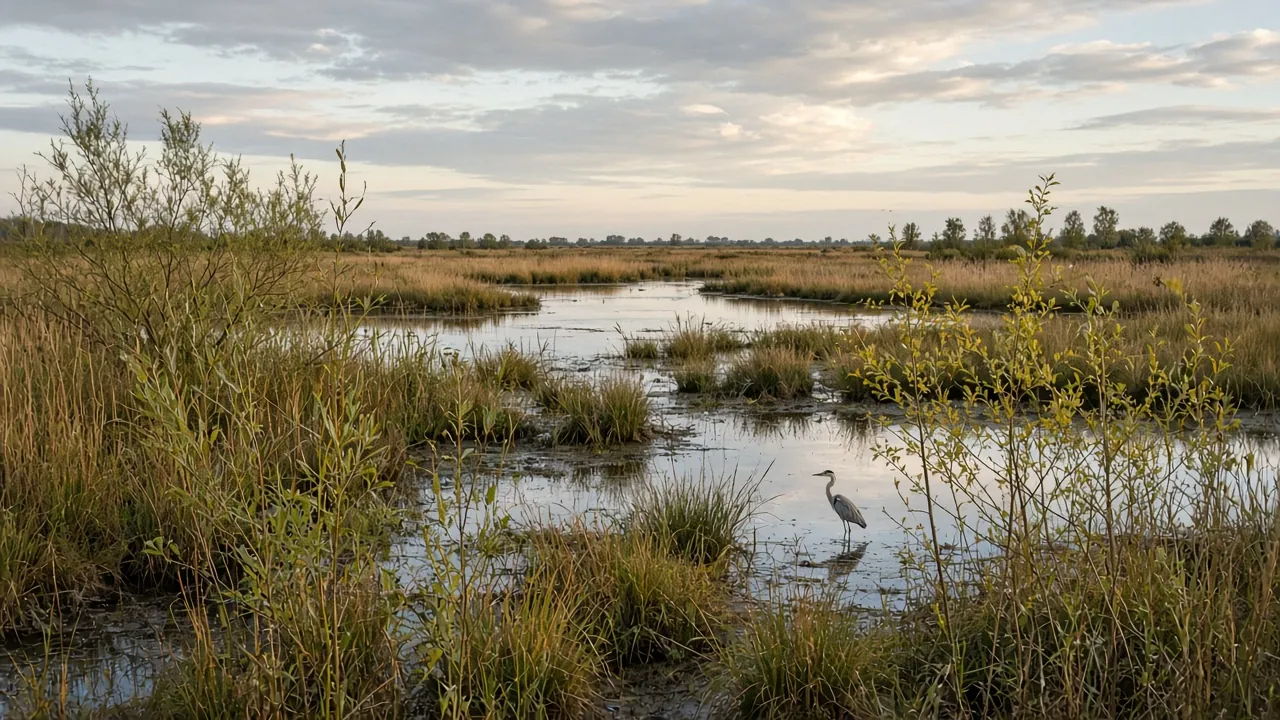
The Nature Restoration Regulation (EU) 2024/1991 came into force in August 2024. It sets legally binding targets to restore damaged ecosystems across the EU, and asks each member state to explain how it will meet them. The first hard deadline is now. Draft national restoration plans are due by 1 September 2026, and the Commission then has six months to respond. The reporting doesn't stop once the plan is filed. A baseline has to be set, and progress has to be shown for years.
A plan is only as good as what it can show
Writing targets is the easy part. Showing change is harder, because it needs monitoring that can be compared from one season to the next and holds up when someone checks it. For the species side, meaning which mammals use a site and how that shifts as a habitat recovers, camera traps are an established, non-invasive method. They watch a place day and night without disturbing it, which suits a long recovery timeline. It's the same kind of evidence that already feeds Natura 2000 monitoring.
What camera-trap data adds
It won't cover the whole plan. Vegetation, hydrology and invertebrates need their own methods. Cameras earn their place on the fauna side, and they help most when the numbers are easy to defend.
- Presence and trend. Which species show up and how that changes across seasons. Relative abundance and trap-nights let you compare one year with the next.
- Effort next to the counts. Which cameras were out, and for how long, is stored with the detections. A difference between seasons then reflects the animals and not a change in the survey.
- Records you can check. For each detection you can see whether a person confirmed it or the AI labelled it alone. When someone corrects a label, the original model label is kept.
- Open export. The data is hosted on servers in the Netherlands (EU) and can be exported per project as Camtrap DP, the open camera-trap standard that GBIF also accepts.
Available now, under your control
The deadline is for member states, but the work of producing the evidence lands with the provinces and site managers who collect it. An organisation that has to show its government something credible can't wait for a slow, build-it-yourself setup. That's why we build this as software you run for your own programme. You choose the cameras and the data stays yours, hosted on servers in the Netherlands (EU). It's available now.
The law sets the date. Whether a restoration plan holds up afterwards depends on evidence people can trust season after season. Camera-trap monitoring is one part of that. If you're looking at a reporting obligation and a set of cameras, it's the part we build.
