Company ·
A grant for the Smart Wildlife Box: edge-AI to move trail cameras on
Trail cameras produce the raw material for wildlife monitoring, and the hardware has hardly changed in years. A feasibility grant from the Province of Zeeland lets us work on that directly, in a project we call the Smart Wildlife Box.
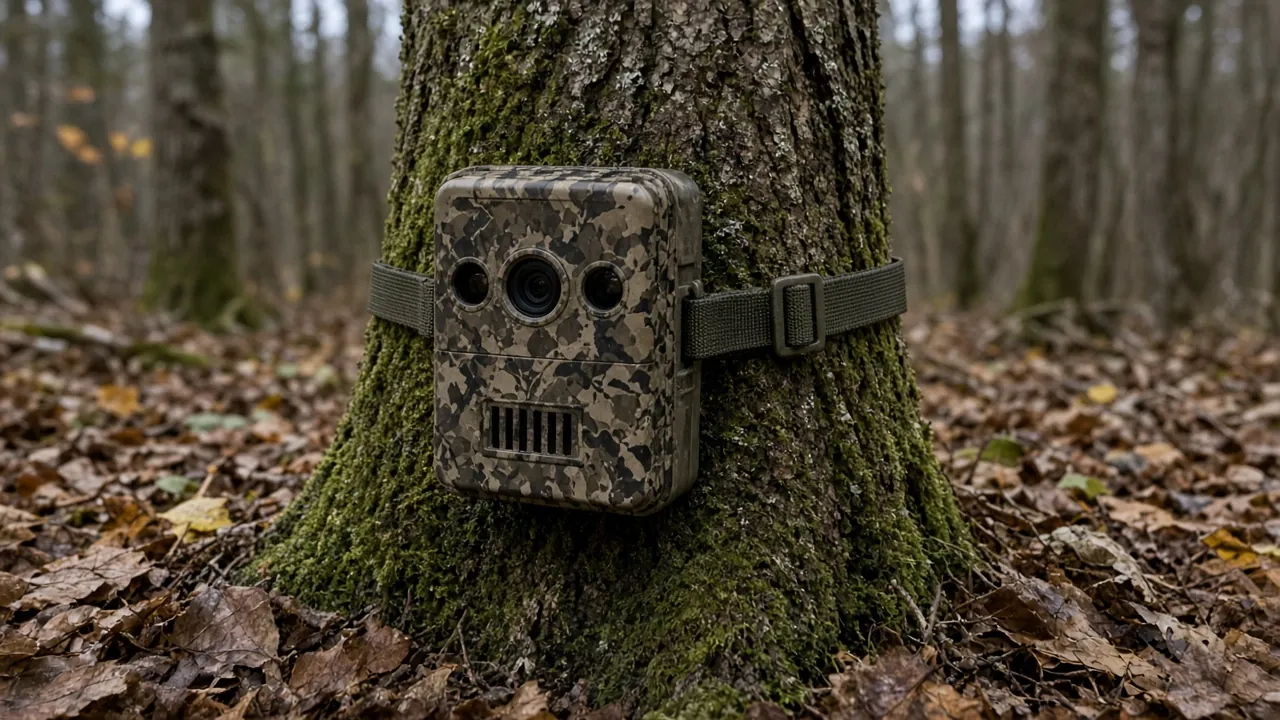
What the box is
The Smart Wildlife Box is an edge-AI device for recognising animals in remote places. Instead of making every camera a smart, power-hungry device of its own, several low-power cameras connect to one box on site, and the box runs the first AI detection in the field. The goal is to use less power and less bandwidth than a set of standalone smart cameras. Finding out whether that works is what a feasibility project is for. We build the approach and test whether it holds up.
Why we're doing it
We keep running into the same frustration. Trail cameras haven't moved fast. We've bought plenty and taken them apart, and found plastic lenses, slow processors and a separate app for every manufacturer. Good ones exist, but the category as a whole is stuck. You should be able to connect ordinary off-the-shelf cameras to something smarter without throwing them away. The box is our attempt at that.
The bigger gap
It fits a pattern we wrote about in human-wildlife conflict and coexistence. The frameworks for managing wildlife are mature, and the technology that feeds them reliable data mostly isn't. Data-driven wildlife management is still a young field. Smarter, cheaper hardware out in the field is one of the missing pieces, and this grant lets us build a prototype of it.
This is a feasibility project. It's R&D and not a finished product, and we'll keep saying so until it's tested. If it works, it changes what a set of ordinary cameras can do.
The Smart Wildlife Box (STIM-02009) runs from April 2026 to March 2027, realized with financial support from the Province of Zeeland through the MIT Zuid scheme (MKB innovatiestimulering topsectoren Zuid-Nederland), administered by Stimulus Programmamanagement.
